


Pilates 101: A Beginner's Guide to the Basics, Classes & Equipment

Thinking about starting Pilates but don't know where to begin? What exactly is Pilates? Do you need a Reformer? Are group classes safe? And do you really need to squeeze yourself into those expensive matching leggings just to get started?
Let's clear things up.

Pilates has been around for decades, but its popularity has exploded in recent years. And while I'm all for more people discovering the benefits of this method, there's also a lot of confusion surrounding what Pilates actually is, what it can do for you, and how to get started.
So, whether you're completely new to Pilates or have already booked your first class, here are some basics worth knowing before you jump in.
1. What Is Pilates, and How Is It Different From Yoga?
Pilates is a low-impact exercise method that focuses on core strength, posture, flexibility, stability, and controlled movement. It combines strength and mobility with an emphasis on a few principles, like precision, breathing, and body awareness.
But isn't that what Yoga does, too?
Well, there are similarities, but they're not quite the same. While both are mind-body practices that encourage better movement, breathing, and body awareness, their approaches and objectives differ.
Yoga generally places a greater emphasis on flexibility, mobility, balance, breathing, and the connection between mind and body. Depending on the style, it can also include meditation and spiritual elements.
Pilates focuses more specifically on controlled movement, core strength, stability, posture, and muscular control. It's about learning to move your body with precision and purpose.
Of course, there are different styles of Yoga and Pilates, and plenty of overlap between the two. But in simple terms:
Yoga = mind-body-spirit, with plenty of stretching and stillness.
Pilates = mind-body-core, with more precision and small, powerful movements.
Neither is necessarily better than the other. They simply offer different approaches to movement, and you might even find that you enjoy doing both.
2. Why Is Pilates Suddenly So Popular?
Pilates didn't suddenly get famous. It's always been there, and it's always been great. Athletes, dancers, and movement professionals have appreciated its benefits for decades.
So why the sudden hype? A few things — in my opinion — have contributed to its popularity.
Post-pandemic bodies
After spending so much time sitting at home, working from laptops, and moving less, plenty of people found themselves stiff, sore, and feeling generally out of shape. Pilates offered a low-impact way to rebuild strength, improve mobility, and reconnect with their bodies.
The shift towards smarter fitness
People are increasingly interested in exercise that helps them build strength without constantly pushing themselves to exhaustion. Pilates fits nicely into that trend. It's controlled, intentional, and adaptable to different fitness levels.

Instagram made it sexy
Let's be honest. Those dreamy Pilates studios with neutral tones, soft lighting, beautiful Reformers, and perfectly coordinated outfits have done wonders for the industry's image.
Suddenly, Pilates wasn't something your aunt did after her hip surgery. It was luxe.
The business opportunity
With demand growing, Pilates instructor training has become an attractive career option. More certification programs and accelerated training routes have entered the market, and the industry has seen a wave of newcomers looking to become instructors.
Some are passionate, talented, and genuinely committed to learning the method. Others may be a little too quick to go from completing a course to calling themselves experts.
And that's something worth paying attention to when choosing an instructor.
People want something meaningful
Teaching Pilates can be a rewarding career. You're helping people understand their bodies, build strength, and move better. It's also become an increasingly visible profession on social media, which has made it even more appealing.
In short, Pilates got a glow-up, and the world finally noticed.
The twist? It's great that Pilates is getting the love it deserves. But popularity doesn't automatically mean quality. As more studios open and more instructors enter the industry, it's becoming increasingly important to know what good Pilates actually looks like — and who's qualified to teach it.
3. Can Anyone Do Pilates?
Pretty much!
One of the things I love about Pilates is that it can be adapted to different ages, fitness levels, and abilities. You don't need to be young, flexible, particularly strong, or already in great shape to start. In fact, Pilates can be a great way to build those things.
However, there's an important distinction between a regular Pilates class and training designed for someone with an injury or specific health condition.
If you're recovering from an injury, experiencing persistent pain, or managing a medical condition, don't assume that any Pilates class will automatically be suitable. Get appropriate professional guidance and find an instructor with relevant training and experience.
And please, don't try to fix a serious injury by following random YouTube workouts. Your body deserves a little more attention than that.
4. Do You Need a Reformer or Other Pilates Equipment?
Nope!
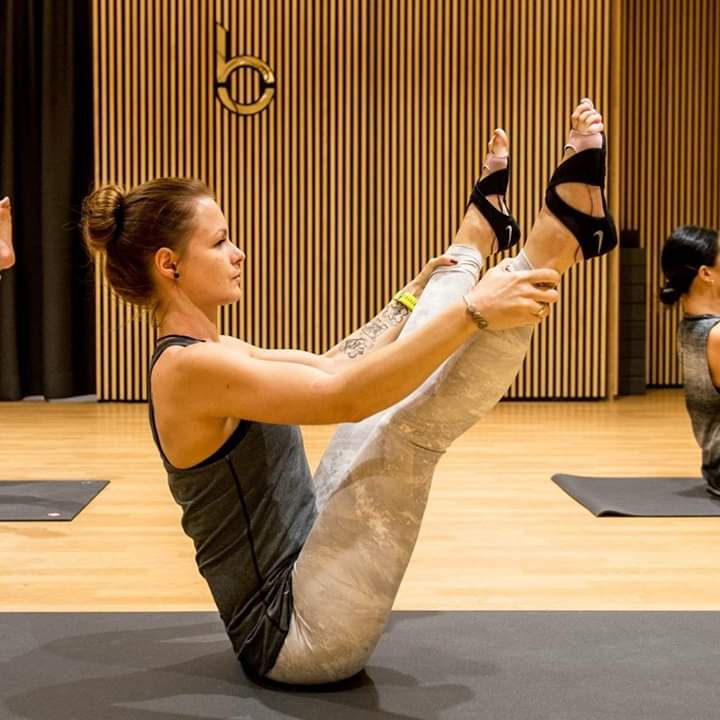
In fact, Mat Pilates is the original form of Pilates, and it's often considerably more challenging than people expect.
Without the assistance or resistance of springs, you're relying on your own body weight, strength, and control to perform the movements. It requires plenty of concentration, coordination, and body awareness.
Pilates equipment, such as the Reformer, Cadillac, Wunda Chair, and various barrels, introduces additional resistance and support. It also allows instructors to offer more exercise variations and work on different movement patterns.
But here's the thing: you don't need expensive equipment to get a good Pilates workout.
Matwork can build serious strength, improve control, and teach you how to move your body properly. Equipment is a fantastic addition, but it's not a requirement for getting started.
If you're new to Pilates, don't feel pressured to book an expensive Reformer membership just because that's what everyone on Instagram seems to be doing. Start with the basics, learn the method, and figure out what works for you.
And personally? After many years of practice and teaching, I still love mat Pilates the most, and I still find it the most challenging.
5. What Should You Wear to Pilates? (And What Can Stay in Your Wardrobe?)
Do you really need to wear those tight, matching sets? Yes, and no.
I understand why some people feel a little intimidated when they walk into a Pilates studio for the first time. You see all these incredibly fit instructors and clients wearing matching leggings, crop tops, and outfits that look like they belong in a fashion campaign.

And then there's you, wondering whether your stomach is too bloated for those leggings, and if you will ever look like them.
First things first: you don't need to look like a Pilates instructor to do Pilates.
What you wear should be about comfort and function, not fashion trends or social media aesthetics.
That said, fitted clothing can actually be helpful during Pilates. When your instructor can see your body's alignment, it's easier to spot things like changes in spinal position, hip alignment, and how you're moving through an exercise. And this is primarily why we instructors want our clients to wear well-fitted clothing.
You don't need skin-tight shorts or a crop top, though. Leggings and a comfortable fitted T-shirt are perfectly fine.
A few things to keep in mind:
Choose comfortable, flexible clothing: You should be able to move freely without constantly adjusting your outfit.
Avoid excessively loose clothing: Oversized shirts and wide-leg pants can get in the way during certain exercises or make it harder for your instructor to see your alignment. They can also get caught in the equipment and pose safety issues.
Wear something you feel comfortable in: You don't need to expose your stomach, legs, or anything else you're not comfortable showing.
Consider grip socks: Some studios expect you to have them, particularly for Reformer classes, but they are not a must. Regular socks, however, are often a requirement. Check with your studio before the first session.
Remember, you're there to work on your body, not audition for the next Pilates fashion campaign.
6. How Often Should You Do Pilates?
If you're a beginner, two to three sessions per week can be a good starting point.
This gives you an opportunity to learn the exercises, develop better movement patterns, and build strength without overwhelming your body. As you become more experienced, you can adjust the frequency depending on your goals, fitness level, and recovery.
And don't forget that consistency matters more than trying to squeeze in as many sessions as possible.
You don't have to do Pilates every single day to see progress. In fact, combining Pilates with other forms of exercise, such as walking, running, or strength training, can give you a more balanced fitness routine.

7. Is Pilates Good for Weight Loss?
Let's address the question many people are probably thinking about: Can Pilates help you lose weight?
While it can contribute to your overall fitness and weight-management goals, Pilates isn't primarily a weight-loss or calorie-burning workout.
Its main focus is building strength, improving muscular control, posture, mobility, and body awareness.
Regular Pilates practice can help you develop stronger muscles and improve how your body moves. However, if weight loss is your main goal, you'll want to combine it with other forms of physical activity, a balanced diet, and habits that support your overall health.
And remember, getting stronger, moving better, and improving your posture are worthwhile results in their own right. Your progress shouldn't be measured by the number on the scale alone.
8. Are Group Pilates Classes Safe and Effective for Beginners?
Group Pilates classes are everywhere these days, particularly Reformer classes. You'll also find group sessions using equipment such as the Wunda Chair, barrels, and Cadillac.
But are they actually safe? And can you get a good workout when you're sharing an instructor with several other people?
The answer is: it depends.
Safety
Group classes can be perfectly safe, provided they're appropriately structured and led by a knowledgeable instructor. However, class size matters.
For beginners, I generally prefer smaller groups of around 3–5 people. This gives the instructor more opportunity to observe everyone's movements, correct technique, and provide individual adjustments. In larger classes, it's naturally harder to give everyone the attention they need, particularly when people have different fitness levels, movement limitations, or injuries.
Effectiveness
Group classes can be fantastic for general fitness. They're a great way to build strength, improve flexibility, enjoy a regular exercise routine, and make some friends. But they're not necessarily the best option for everyone.
If you're recovering from an injury, dealing with a specific condition, or need more individual guidance, private sessions or smaller classes may be more appropriate.
It's simply harder to tailor exercises to individual needs when you're one of ten or more people in a class.
Is a large Reformer class a good idea?
Well, that depends on the instructor, the class structure, and your experience.
If you're an experienced Pilates practitioner looking for a challenging workout, a larger group class may be perfectly suitable.
If you're a complete beginner, however, jumping straight into a class with ten or twelve people might not be the smartest move.
Start somewhere you can receive proper guidance, learn the equipment, and understand the movements before progressing to larger classes.

9. Why Are People Getting Injured During Pilates Classes?
Pilates is generally considered a low-impact form of exercise, but that doesn't mean injuries can't happen. Like any physical activity, Pilates requires proper technique, appropriate progression, and an understanding of your body's limitations.
So why do injuries happen?
Improper form and technique
Pilates is all about precision and control. Performing exercises incorrectly can place unnecessary strain on muscles and joints. This is particularly important for beginners who haven't yet developed the body awareness or coordination needed to perform certain movements correctly.
Overstretching or pushing too hard
Just because an exercise looks gentle doesn't mean it's easy. Especially in Pilates.
Some Pilates movements require considerable flexibility, strength, and control. Trying to push beyond your current abilities or forcing a stretch to get that Insta-photo can result in injury. You don't need to perform every movement at its most advanced level. Good technique comes first.
Inexperienced instructors
This is a big one.
An instructor needs to understand more than just how to demonstrate an exercise. They should be able to observe movement, recognise when something isn't right, and offer appropriate modifications. They should also understand their professional limitations and know when a client needs guidance from a physiotherapist or another qualified healthcare professional.
Poorly maintained equipment
Reformers and other Pilates equipment need regular inspection and maintenance.
Damaged components, worn springs, loose fittings, or poorly maintained machines can create unnecessary safety risks. A beautiful studio doesn't automatically mean the equipment is safe. Don't be afraid to pay attention to its condition.
Classes that are simply too large
When an instructor has too many people to supervise, individual attention becomes limited.
A beginner struggling with an exercise, someone using the wrong resistance, or a client who needs a modification can easily go unnoticed.
This is one of the reasons I believe smaller classes are particularly valuable when you're starting out.

The bottom line?
Pilates can be an excellent way to build strength, improve posture, and develop better body awareness. But the quality of instruction, the suitability of the exercises, and the environment in which you practice all matter.
Don't assume that a class is safe simply because it's called Pilates or takes place in a beautiful studio.
Do your homework, ask questions, and pay attention to how your body feels.
Pilates Is More Than a Pretty Studio and a Reformer
Pilates is a fantastic way to build strength, improve posture, develop better movement patterns, and reconnect with your body. I fell in love with it years ago the minute I started practicing.
But there's a lot more to it than pretty studios, expensive equipment, and matching leggings.
Whether you choose Mat Pilates, Reformer classes, or private sessions, the most important things are the quality of instruction, proper technique, and an environment where you feel comfortable learning and progressing.
You don't need to be fit, flexible, or particularly experienced to start. You just need to find the right place, get proper guidance, and give yourself time to learn.
And please, don't let Instagram convince you that you need a new wardrobe and a monthly studio membership before you've even done your first Pilates session.
Your body will thank you for starting. Your bank account might, too!
If you'd like to begin with something simple that you can practice at home,
here's a FREE CORE GUIDE:

and discover what conventional core training often overlooks


Comments